BIENVENIDA / WELCOME

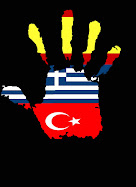
Este blog es el instrumento de comunicación para todos los participantes en el Programa de Aprendizaje Permanente (P.A.P.) Comenius. Se trata de una asociación multilateral entre tres países: Turquía, Grecia y España. Nuestros centros educativos van a trabajar temas relacionados con la historia, las tradiciones, la religión, el ciclo festivo, etc. Y nuestro principal objetivo es estrechar los lazos que unen a estas tres culturas mediterráneas.

This blog is a communication tool for every participant in the Comenius Lifelong Learning Programme (L.L.P.). It is a multilateral association of schools in these three countries: Turkey, Greece and Spain. We are going to deal with subjects such as History, Traditions, Religion, The Festive Cycle, etc. And our main objective is to approach the similarities which these three Mediterranean cultures have.

sábado, 31 de enero de 2009

La media fiesta de los Moros y Cristianos en Elda / Half Year celebration of the Moors and Christians festivities


En otra parte de esto blog ya se habló de San Antón, el santo eremita. Ahora recuperamos la imagen del santo y su devoción en Elda para hablar de la celebración de la Media Fiesta de los Moros y Cristianos, que se hace coincidir con la festividad del santo. Durante tres fines de semana sucesivos, los eldenses han tenido ocasión de participar en numerosos actos festivos como desfiles, danzas populares, pasacalles, romerías, música de dulzaina y tamboril, juegos infantiles tradicionales, fuegos artificiales y hasta los animales tuvieron su protagonismo en la granja móvil que desplegó la Mayordomía ante las puertas de la ermita, con lo que se evocaba el amor del santo por los animales.

Tampoco podían faltar los actos religiosos como la bendición del pan y la visita a la residencia geriátrica El Catí, para hacer partícipes de la fiesta a nuestros mayores. Pero el acto de mayor envergadura fue el de la Proclamación de Capitanías 2009, un ejemplo de fusión entre religiosidad y fiestas profanas, que desde hace dos años se viene celebrando en el interior del templo de Santa Ana presidido por la imagen de San Antón. Todo un espectáculo de luces, música y sonido, lleno de emotividad tanto para los protagonistas, los nuevos embajadores, capitanes y abanderadas de las comparsas, como para todo el público asistente.

Las celebraciones populares, cuyo origen en la mayoría de los casos es de carácter religioso, son un punto de encuentro que unifica voluntades, lima asperezas y sirve para afianzar el sentimiento de pertenencia a la colectividad y para rearfirmar las raíces. En días como éstos, los ciudadanos de Elda despliegan su hospitalidad y desde su atalaya levantina lanzan una salva de arcabucería que a nosotros, los que formamos la Red de Tolerancia, nos gustaría que fuera en honor de los que allá, al otro lado del Mediterráneo, comparten nuestro deseo de crear un mundo mejor.

In a different part of this blog we already mentioned Saint Anthony, the hermit. Now we do it again to talk about the yearly celebrations of Moors & Christians at a time half way between the June celebrations of the previous year and the current year ones. It is so because on January the 17th we celebrate the day dedicated in the calendar to the Patron Saint of these festivities. In 2009 these events have taken place in three consecutive weekends in January. The people from Elda have participated in several parades, popular dances, live band music circuits, a pilgrimage to the hermitage, traditional instruments playing, ancient infant games, fireworks and even pets had a place in a mobile farm located at the entrance to Saint Anthony`s to symbolize his caring protection of animals.
There were also some religious happenings such as the blessing of bread and the visit to the Old People`s Home “El Catí” to make our elderly ones participants, as well. However, the most relevant moment was the Proclamation of the Comparsas` Leaders for 2009 in a show which combined religion and pagan rituals. It took place in Saint Ann`s Church presided by Saint Anthony`s image. The performance included a sophisticated technical display of sound and lights which enhanced the important moment for the starring figures: the new leaders.
. Popular celebrations, whose origin is religious in most cases, are meeting points which unify people`s wills, strengthen the feeling of belonging to a certain group and roots people to their home towns. These days, Elda and its citizens show their hospitality and from their Mediterranean Tower shoot their guns, which we, the IES Monastil people dedicate to those on the other side of the Mediterranean, our Turk and Greek friends, sharing our prospect of a better world.

English...

domingo, 18 de enero de 2009

Un mundo sin complejos y sin prejuicios es posible/ A world without complexes and prejudices is possible


Así lo afirma la psicóloga Susan Fiske de la Universidad de Princeton en su reciente visita a Barcelona donde pronunció una conferencia sobre valores, empatía y barreras sociales, desde el ámbito neurocognitivo. Según Fiske el mundo no es un lugar neutral, pero si se intenta trabajar por la diversidad y la tolerancia, el cambio de los hábitos y conductas se puede promover a través de la educación.

Los estudios realizados por la doctora Silke demuestran que el cerebro está preparado para identificar a personas de otra raza en cuestión de milisegundos. Desde el punto de vista neurológico ésta es la razón de que sintamos miedo hacia lo diferente o lo desconocido. Es una cuestión de supervivencia, el miedo nos ayuda a desconfiar y a detectar situaciones de peligro, pero este miedo se puede desaprender.

“Es importante que la gente entienda que es muy natural sentirse incómodo con otras personas que son muy distintas de uno mismo. Pero también es cierto que esto puede cambiarse”. La mejor receta para luchar contra los estereotipos sociales, como el miedo al inmigrante, es trabajar la interacción social tanto a nivel educativo como laboral.

La segregación existente en muchos barrios se debe a que la población autóctona no llega a interaccionar con la población extranjera o inmigrante. Es natural que al principio la gente se sienta incómoda, dice Fiske, pero los gobiernos deben ser capaces de gestionarlo para crear un entorno seguro y constructivo, porque en caso contrario habrá violencia y la gente se sentirá amenazada.

En este blog dedicado a eliminar barreras y prejuicios y a trabajar por la tolerancia no sabemos si alegrarnos de saber que los científicos han localizado la causa del prejuicio social en la zona de la amígdala del cerebro (nos recuerda a la teoría de la Frenología que en el siglo XIX pretendía relacionar las conductas criminales con la forma del cerebro); de lo que sí estamos seguros es de que la multiculturalidad es un hecho innegable de la sociedad actual y de que ha llegado la hora del cambio. Quizá, y aunque sea sólo un símbolo, el hecho de que el próximo martes un negro asuma la presidencia de los EEUU es todo un dato positivo del cambio. Pero es que, además, este hombre tiene como segundo nombre Husein. El día de la investidura, como es tradición, utilizará los dos nombres porque, según él, el mundo está preparado para este mensaje. Confiemos en que así sea.


That is what the psychologist Susan Fiske, from Princeton University, said in her recent visit to Barcelona, where she lectured about values, empathy and social barriers from the neurocognitive perspective. She said that the world is not a neutral place; but if we try to work for diversity and tolerance, the change in habits and behaviour can be promoted through education.

Dr. Silke confirms that our brain is prepared to identify other people as belonging to a different race in the thousandth part of a second. Neurologically, that is why we fear what is different or unknown. It is a matter of survival. Fear helps us to distrust and detect risk, but this fear can be avoided.

“It is important for people to know that it is natural to feel uncomfortable with people very different from ourselves. But it is also true that this can be changed.” The best recipe to fight against social stereotypes, such as the fear towards immigrants, is to work in social interaction either at work or in education.

There is segregation in a lot of districts because native people do not mix with strangers. It is natural that at first people feel uncomfortable, says Fiske, but governments must be able to create a safe and constructive atmosphere, because otherwise there will be violence and people will feel threatened.

In this blog dedicated to stop barriers and prejudices and work for the sake of tolerance, we are not sure whether to be happy, or not, of getting to know that scientists have located the cause for social prejucide in the brain tonsil (It makes us remember a 19th century theory which linked criminal behaviour to the brain shape); however, we are certain that multiculture is a fact nowadays and that time for it has come. Perhaps, that a black man becomes the US President next Tuesday is a proof of this change. Furthermore, his second name is Husein. For the investiture, as it always happens, he will use both names because, in his words, the world is ready for the message. Let`s give it a chance.

English...

viernes, 9 de enero de 2009

DÍA DE LOS DERECHOS HUMANOS / THE HUMAN RIGHTS DAY

Todos los años desde 1949, el día 10 de diciembre, se conmemora el aniversario de la aprobación y proclamación de la Declaración Universal de los Derechos Humanos. Este año nuestro centro ha realizado una serie de actividades para conmemorar el 60 aniversario de dicha proclamación. Estas actividades forman parte de nuestro Proyecto Comenius Red de Tolerancia y tratan de cumplir la petición de la Asamblea General de las Naciones Unidas a todos los Países Miembros para que el texto aprobado en 1948 sea “distribuido, expuesto, leído y comentado en las escuelas y otros establecimientos de enseñanza, sin distinción fundada en la condición política de los países o de los territorios”.

Las actividades que hemos realizado son las siguientes:
1. Exposición en los paneles Comenius de los artículos de la Declaración Universal de los Derechos Humanos.
2. Entrega a los alumnos de 3º y 4º de Educación Secundaria Obligatoria de la Carpeta de la Declaración.
3. Proyección de la película Me llaman radio a los alumnos de 2º de Educación Secundaria Obligatoria. Con el patrocinio de la Concejalía de Solidaridad del Ayuntamiento de Elda. Nuestros alumnos se desplazaron al Centro Cívico y Juvenil donde se proyectó este filme sobre los derechos de las personas discapacitadas y las minorías étnicas.
4. Visionado de la película Invisibles cedida por el Programa Solidaridad en el aula. Médicos sin Fronteras presenta esta película que pretende “un acercamiento a las personas que residen en nuestro olvido” y trata de “dar voz a varios de los que se quedaron mudos por la indiferencia”.
5. Análisis y comentario de un texto del libro de Martha C. Nussbaum Las mujeres y el desarrollo humano. Los alumnos de Bachillerato han trabajado en clase un texto sobre el Desarrollo y la igualdad sexual en el que se afirma, entre otras cosas, una realidad sangrante: “No hay país alguno que trate a su población femenina igual de bien que a la masculina”.

Con estas actividades hemos pretendido cumplir –como profesores y como centro educativo- con lo que afirma la Declaración Universal “que tanto los individuos como las instituciones, inspirándose constantemente en ella, promuevan, mediante la enseñanza y la educación, el respeto a estos derechos y libertades”.

Every year since 1949, on December the 10th, we celebrate the anniversary of the approval and proclamation of the Worldwide Declaration of Human Rights. This year, our school has organised a number of activities for its 60th anniversary. They are included in the project Comenius Net of Tolerance, following the General Assembly of United Nations petition to all its countries asking for the text approved in 1948 to be “delivered, exhibited, read and dealt with at schools and other learning institutions regardless of any political condition of countries or territories”.

The activities done are the following ones:
1.- Exhibition on our Comenius displays of the articles in the Worldwide Declaration of Human Rights.

2.- Our 3rd and 4th year students have been given a folder with its contents.

3.- The 2nd year students have watched the film They call me radio. This activity has been supported by our Local Council Solidarity Department.This film deals with the rights of disabled people and also with those of people belonging to minoritary ethnical groups. It was shown in Elda`s Youth and Civic Centre.

4.- Different groups of students have watched the film Invisible people. We got it from the programme called Solidarity in the classroom. A worldwide medical charity presents this film as “ an approach to the people we always forget” and its purpose is “to give voice to the ones who were silent suffering from the indifference of the rest”.

5.- Our 16 and 17 year olds read and analysed a text from the book by Martha C. Nussbaum titled Women and human development, about the growth and non discrimination of sexes, in which it is considered among other things, the tough truth that: “There is no country in the world which considers women as fairly as men”.

Involving ourselves -as teachers and as an educational centre– in the previously mentioned activities, we consider having fulfilled what the universal declaration states: “that either individual beings as much as intitutions, getting constant inspiration from it, promote by means of learning and education, due respect to these rights and benefits.”

English...

martes, 6 de enero de 2009

De lo divino y lo mundano / About the wordly and the divine


Revisando fotos y más fotos de nuestro último viaje a Estambul (¡Qué suerte tenemos los del Programa Comenius!) para hacer un pequeño reportaje que quede eternizado en ese lugar etéreo que es nuestro blog, hemos sido testigos de una batalla inusual. Las imágenes cobraban vida y se independizaban de nuestra voluntad y volvían una y otra vez a nuestra retina colocándose en un orden caprichoso, emparejándose en tándems un poco chirriantes y hasta se diría que a la vez se atraían y se repelían.

Nos referimos a las instantáneas tomadas el mismo día en dos lugares diferentes: el Bazar de las Especias y el espectáculo de los derviches danzantes. Sólo unas horas separan estas dos experiencias en el tiempo; en cuanto al espacio, tan sólo tuvimos que andar paseando por las cercanas calles del mismo barrio de Estambul. Ese día tuvimos ocasión de experimentar sensaciones opuestas: el materialismo de los sentidos en el gran mercado que es el bazar de las especias y el espiritualismo más acendrado y más exquisito en la cripta de una antigua mezquita, ahora reconvertida en sala de espectáculos.

El frenético palpitar y afanoso trajín de la actividad mercantil del más famoso mercado del mundo quedó contrarrestado con la concentración y el silencio de los músicos y danzantes en los instantes previos a la actuación. Acostumbrados nuestros ojos al colorido y abigarramiento de los productos y personas del bazar, nos encontramos, poco después, con unas escenas de recato y ensimismamiento que nos llevaron al clímax del misticismo.

Tiempo después, en el trastero de la memoria, no sabemos bien por qué, seguimos emparentando estos dos momentos, estas dos visiones del particular universo oriental de Estambul. Quizá en nuestra esencia hispano-arábiga está esa misma contradicción de espiritualidad y mundanidad. A lo mejor es precisamente a través de los sentidos como podemos llegar a lo más puro, a lo más esencial. Como buenos mediterráneos que somos, los aromas, sabores, colores, forman parte de nuestra forma de entender la vida y son la puerta que nos permite reflexionar sobre lo trascendente. Así ha sido siempre entre los más grandes de nuestra cultura: Góngora y Quevedo se debatían entre lo más sórdido y soez y los pensamientos más elevados. Maravillosa herencia que le debemos a uno de los más finos y delicados poetas del amor: Ibn Hazm de Córdoba, que con su Collar de la paloma supo captar la más pura encarnación del alma de la España musulmana.


Revising photos and more photos taken during our latest trip to Istanbul (How lucky the people in the Comenius Programme are!) to make a compilation for this ethereal entity which is our blog, we have been witnesses of an unusual battle. The images became alive and independent of our wish and came once and again to our retina placed in a fanciful sort, making shocking pairs which repelled one another and yet had a powerful attraction.

We are referring to the images taken the same day in different places: The Spices Bazaar and the Derviches Dance Show. In time, only a couple of hours separated the two experiences; in space, they were located in the same district within Istanbul, at a distance of a few minutes` walk. That day we experienced opposing sensations: the physical appreciation of senses in the huge market which is the Spices Bazaar, and the deepest and most exquisite spirituality in the crypt of an ancient mosk, now transformed into an exhibition hall.

The frantic pulse and hectic hustle of trading inside the most well-known market in the world contrasted with the musicians and dancers` quiet concentration before their performance. Just after watching the colourful vividness of products and people in the bazaar, we suddenly got into a silent absorption reaching a mystical climax.

In the background of our memory, without knowing exactly why, we still continue pairing these two sceneries, different views of the particular eastern universe of Istanbul. Perhaps in our Hispanic-arabic essence we also have within us this contradiction of worldy and spiritual aspects. It may be through the senses the way to get to the purest, the most meaningful state. Good Mediterraneans as we are, fragances, tastes and colours are important in our life style and are the means which allow us to reflect on trascendental matters. It has always been like that among the most cultivated men in our culture: Góngora and Quevedo moved from the lowest and unrefined thinkings to the most learned considerations. Fascinating heritage from which we got the finest and most delicate love poets: Ibn Hazm from Córdoba, whose Collar de la paloma is considered to be the purest medieval incarnation of muslim Spain.

English...

domingo, 4 de enero de 2009

El Roscón de Reyes / The Wise Men "Roscón"


Es una tradición culinaria que endulza el paladar de niños y grandes en la noche del 5 de enero, mientras se espera la venida de los Reyes Magos siempre cargados de regalos, a pesar de la crisis. Los hay rellenos de nata, con frutas confitadas o sin ellas, y hasta con cabello de ángel, pero en todo roscón que se precie tiene que haber una moneda, el premio al ganador, y un haba seca, que señala al perdedor. Con este premio se rememora el juego de “rey por un día”, juego que nos trasporta a la corte de Luis XV de Francia en el que el afortunado que encontraba el premio gozaba durante un día de las prebendas a que su fortuna le había conducido: ser tratado con el máximo respeto y servido por amigos y cortesanos. Si nos remitimos a los orígenes de esta tradición tendremos que nombrar al pueblo romano, que celebraba sus fiestas en honor al dios Jano, cocinando unas roscas o panecillos similares al roscón.

Y quizá más interesante todavía resulte la coincidencia de esta tradición con un juego al que juegan los niños griegos, llamado Basilindas, en el que los niños griegos elegían de entre los suyos un rey, capaz de nombrar efímeros príncipes y dignatarios.

Entre nosotros, el roscón se suele acompañar con un buen chocolate calentito. Todo un manjar para los niños. Luego o antes, según costumbres, todo el mundo acude a la cabalgata de Reyes. En nuestra ciudad, la tradición es empezar la cabalgata desde el monte Bolón. Allí suben los chavales acompañados de sus padres portando antorchas que al caer el sol se ven desde la lejanía, causando la impresión de una serpiente chispeante de luces y destellos que se desliza por la ladera hasta las primeras calles de la ciudad. Nada más evocador que esta comitiva nocturna para creer de verdad en los Reyes Magos. Una vez más y sin faltar a su anual cita, los Magos de Oriente nos traen la ilusión y la esperanza perdidas que se nos quedaron prendidas en las hojas que hemos ido arrancando al calendario.


It is a bakery tradition which sweetens children and adults alike on January the 5th, while awaiting for the arrival of the Three Wise Men loaded with presents for all children (especially the well-behaved ones), despite the general crisis. This ring can sometimes be filled with cream, dried fruits or thin vermicelli. There must be two hidden items inside every ring: a dried bean and a litle figure of a king – or a coin -. The one getting the bean in his/her piece will have to pay for the celebration and the one getting the other will be honoured. In such way we recall the game “king for one day” which takes us back to the court of Louis the 15th of France where the lucky one who found the prize would be treated and served with the maximum respect by all their friends and courtiers for one day. If we go back to the origin of this tradition, we have to name the Romans, who held a celebration to honour the God Jano, cooking sweet dough rings and rolls similar to our “roscón”.

And we could also refer to the coincidence of this tradition with a game usually played by Greek children, called Basilindas, in which they elect a king among them with the privilege of naming short-lived princes and dignataries.

We usually take roscón soaking it in a cup of hot chocolate, especially tasty for children. Also on January the 5th, everybody goes to watch the Three Wise Men parade. In our town, Elda, the parade starts from Mount Bolón. All youngsters and some of their parents climb up the mountain after midday and light a bonfire, both to put up with the cold weather and to light the path for the paraders at dusk, when they use the burning fire to light wooden torches and start going down. In town, a shape of sparkling glimmers and lights can be noticed in the distance coming nearer from up the steep slope into the first streets. Nothing could be more convincing than this long congregation to really believe in the magic of the Three Wise Men.

Once more, without failing their yearly appointment, the Three Wise Men bring the happiness and hope which adults gave away together with the monthly sheets we tear off the calendar.

English...

martes, 30 de diciembre de 2008

Fin de año en España, una fiesta nacional de tolerancia / New Year's Eve in Spain: a national celebration of tolerance.


El día 31 de diciembre se repite el mismo ritual en toda España. Hace muchos años que los recolectores de uva del valle del Vinalopó, nuestra zona, decidieron promocionar el consumo de uva extendiendo la idea de que quien tomase 12 uvas el día de Nochevieja sería próspero al año siguiente.
La idea fue bien acogida y desde entonces, como dice la canción del grupo mecano “Un año más” llegada la medianoche del día 31, el país se paraliza por completo. Tanto niños, jóvenes, mayores, más favorecidos o menos, igualados todos como en otros momentos de nuestro ciclo vital, nos juntamos en las reuniones de amigos o familiares típicas de esa noche allá donde haya un reloj que marque los 12 tañidos que nos dan paso al año nuevo, ya sea contemplando por TV el reloj insigne del acto, en la Plaza del Sol de Madrid, o acudiendo en cualquier pueblo o ciudad a su plaza con reloj.
El empeño de cada persona será tratar de tomar una uva con cada campanada de modo que al sonar la nº 12 hayamos tomado una docena de granos, lo que nos proporcionará dicha y felicidad en el año entrante. Celebramos así una verdadera fiesta nacional de tolerancia donde todos los españoles, y también quienes no lo sean pero estén entre nosotros, nos convertimos en amigos copartícipes de la fiesta, entre uvas, cava, cotillones, música y diversión despidiendo al año que acaba y entrando con buen pie en el siguiente.
Animamos a nuestros lectores procedentes de otros países a que nos cuenten cómo celebran ellos el fin de año. Nosotros en particular este año dedicaremos nuestro brindis a los compañeros griegos y turcos de nuestro programa Comenius, y como acompañamiento musical os sugerimos escuchéis la canción a la que nos hemos referido.

En la Puerta del Sol
como el año que fue
otra vez el champagne y la uvas
y el alquitrán, de alfombra están.
Los petardos que borran sonidos de ayer
y acaloran el ánimo
para aceptar que ya, pasó uno más.
Y en el reloj de antaño
como de año en año
cinco minutos más para la cuenta atrás.
Hacemos el balance de lo bueno y malo
cinco minutos antes
de la cuenta atrás.
Marineros, soldados, solteros, casados, amantes, andantes
y alguno que otro
cura despistao.
Entre gritos y pitos los españolitos
enormes, bajitos hacemos por una vez
algo a la vez.


On December 31st, the same ritual is repeated in the whole of Spain. A long time ago, the grape harvesters in the Vinalopó Valley, our area, decided to promote grapes consumption spreading the idea that eating 12 grapes in New Year`s Eve would guarantee the person a prosperous next year.
The idea was masively followed and from then on, as the lyrics of the song by the goup Mecano “Un año más” (“One more Year”) says, on December the 31st, at midnight, the whole country becomes paralysed. Children, youngsters, adults, no matter how wealthy we are, all equalled as in other moments of our vital cycle, meet our family and/or friends in this typical night`s celebrations where there is a clock striking the 12 times which gives the entrance to the new year, either watching on TV the reference watch in Madrid`s Sol Square or going in each town or city to their corresponding clock square.
Every person will try to eat one grape each time the clock strikes so that after twelfth time they will have eaten a dozen grapes, which will mean good luck and happiness in the coming year. Thus we celebrate a real national event which is an example of tolerance where every Spaniard - and all others staying among us -become friends being part of the big party, among grapes, cava (Spanish white sparkling wine), cotillones (assortment of different typical ornaments for the occasion), music and enjoyment saying good bye to the ending year and entering the new one with a prosperous expectance.
We encourage our readers coming from other countries to tell us how they celebrate the New Year . This year our first toast will be dedicated to the Greek and Turk partners in our Comenius programme, and as a musical illustration we suggest you should listen to the song we have reffered to.

English...

lunes, 29 de diciembre de 2008

Nuestra tarjeta navideña / Our Christmas card


Nuestro diseñador particular, Manolo, nos ha vuelto a sorprender un año más elevando el listón de creatividad a que nos tiene acostumbrados. Estas Navidades el motivo escogido como Christmas navideño ha sido nuestro programa Comenius Redes de Tolerancia.
Las hojas-bandera de nuestro árbol de Navidad se dan la mano para desearos a todos un Próspero Año 2009.


Our private designer, Manolo, has again surprised us rising the level of creativity he has accostumed us to. For this year`s Christmas card he has chosen as the motif our Comenius programme Net of Tolerance. The flag-leaves of our Christmas tree are linked together to wish us all a happy new year 2009.

English...

martes, 23 de diciembre de 2008

¡FELIZ NAVIDAD! / MERRY CHRISTMAS!


Con estas tarjetas navideñas hechas por algunos de nuestros alumnos, la comunidad educativa del IES Monastil desea a todos los participantes de la Red de Tolerancia Comenius y a todos los visitantes de nuestro blog una FELIZ NAVIDAD Y UN PRÓSPERO AÑO NUEVO.


With these greeting postcards designed by some of our students, the Monastil High School community wishes all the participants in the Net of Tolerance Comenius and every person visiting our blog, a MERRY CHRISTMAS AND A HAPPY NEW YEAR 2009.


English...

domingo, 21 de diciembre de 2008

Estambul, cuarto meeting (14-19 noviembre) / Istambul, 4th meeting


Esta es la primera tanda de fotos de nuestro reciente encuentro en Estambul, para celebrar la cuarta reunión de nuestro Programa Comenius Redes de Tolerancia. Son tantas las fotos y los recuerdos que nos ha costado seleccionar. Próximamente iremos poniendo el resto de imágenes.

Estas son las que corresponden al primer día: llegada al hotel y primeras visitas turísticas: Palacio Topkapi, Santa Sofía, la mezquita azul y las cisternas.

Tenemos que dar las gracias a nuestro fotógrafo particular, Manolo, que nos ha demostrado una vez más su buen hacer detrás del objetivo. Parece sencillo, pero captar las mejores imágenes, las mejores perspectivas e imaginar el resultado que va dar un determinado encuadre valorando la luz, la distancia, etc., no es cualquier cosa.

¡Enhorabuena Manolo por tu trabajo! Y gracias por tu compañía.


This is the first series of photographies from the 4th meeting of our Comenius association Net of Tolerance in Istanbul. There are so many and our experience was so good that it has been very difficult to make a selection. We will very soon show the rest of them.
These ones were taken the first day on our arrival at the hotel and during our first touristic visits: Topkapi Palace, Saint Sophia, The Blue Mosque and the Cisterns.
We want to thank our photographer, Manolo, who has again done a terrific job behind the camera. It seems to be a simple task, but catching the best images, the best perspectives and trying to guess how a concrete setting is going to work out concerning light, distance and so on, is not easy at all.
Manolo, congratulations for your great work and thank you for your company!

English...

miércoles, 17 de diciembre de 2008

¿Sabías que... / Did you know that...


...a veces las recetas antiguas que han llegado a nuestros días no tienen raíces culinarias sino históricas?

Eso le ocurre a un postre denominado Visnely ekmek kadayfi originario de la ciudad de Afyon, en Anatolia. Se remonta a la época del Imperio Otomano. Entonces tomaron la costumbre de celebrar cada victoria bélica dándole pan a los soldados, y éstos lo regaban con jarabe para endulzarlo. Esta tradición evolucionó hasta convertirse en una especialidad de repostería a la que ahora se le suele añadir nata montada.
Besir, un camarero muy atento y profesional que encontramos en una taberna típica del centro de Estambul, nos recomendó que lo probáramos como punto final de la suculenta cena que habíamos tomado, a lo que la golosa del grupo no pudo resistirse.


Did you know that sometimes ancient recipes can have reached our days from historical rather than culinary reasons?

That happens to the dessert called Visnely ekmek kadayfi, which comes from the Anatolian city of Afyon. Its history dates back to the Ottoman Empire when after each victory in a battle the soldiers were given bread with syrup on it. This tradition evolved and people began making a dessert, to which nowadays clotted cream is added.
Besir, a very friendly and professional waiter in a traditional tavern in the centre of Istanbul, recommemded us that dessert as a juicy delight after a succulent dinner, which we greatly enjoyed.

English...

martes, 9 de diciembre de 2008

Música para la Tolerancia / Music for Tolerance

Durante los días previos a la celebración del Día Internacional de la Tolerancia pudimos disfrutar de una excelente selección de músicas del mundo, que amenizó nuestros cambios de hora y períodos de recreo y que nos permitió realizar un viaje musical a través del mundo.

Comenzamos nuestro viaje en el Magreb, con la poderosa música raï; este género musical, nacido en Argelia a principios del siglo XX, llega a Francia en los 90 y a partir de ahí se populariza en toda Europa y el resto del mundo, fusionándose con otros géneros como el reaggae, el pop, el jazz,… Algunos de los autores más conocidos, y los que hemos tenido la oportunidad de escuchar estos días son el maestro Khaled y Cheb Mami. De Argelia nos desplazamos hasta Senegal con la sugerente voz de Ismael-Lô, conocido en nuestro país sobre todo por haber participado en la banda sonora de alguna película de Pedro Almodóvar. De allí a Cabo Verde nos trasladó la diva de los pies descalzos, Cesaria Evora, ganadora en 2004 del Grammy al mejor disco de World Music. Los Tribalistas, grupo del que formó parte Carlinhos Brown, nos ofrecieron la música que hoy se hace en Brasil, alejada de tópicos sin renunciar al inmenso bagaje de la bossa nova. Y de Brasil nos fuimos a Méjico a compartir la nueva ranchera de Lila Downs, para acabar nuestro viaje en Cuba con lo mejor del son y el jazz cubano: el legendario Trío Matamoros, Benny Moré, Pérez Prado, Paquito de Rivera, Chucho Valdés… Como colofón a este viaje musical pudimos disfrutar de la música en directo de Habib, el gitano de Argel, acompañado a la percusión por un alumno del centro.


In the previous days to the celebration of the International Day of Tolerance we could listen to an excellent selection of music from different places in the world which enlivened the periods between lessons and break time allowing us to make a musical trip around the planet.
We started our travel in the Maghreb with the powerful raï sounds. This musical genre started in Argelia at the beginning of the 20th century, arrived in France in the 90s and from there spread into the whole of Europe and the rest of the world merging with other tendencies such as reaggae, por jazz,... Some of the most well-known musicians we were able to listen to these days are master Khaled and Cheb Mami.
From Argelia we moved to Senegal, with the suggestive voice of Ismael-Lô, famous in our country for having taken part in some sound tracks in several Pedro Almodovar`s films.
Then we flew to Cabo Verde, birthplace of the barefoot prima donna Cesaria Evora, awarded in 2004 with the best World Music Grammy.
Los Tribalistas, band in which Carlinhos Brown played, offered us the present day Brazilian music, far away from easy topics without getting apart from the long and wide wealth of Bossa Nova.
From Brazil we went on to Mexico to share the new rancheras by Lila Downs and finished our trip in Cuba with the best Cuban rhythms and jazz: the legendary Trío Matamoros, Benny Moré, Pérez Prado, Paquito de Rivera, Chucho Valdés... As a final top for this musical journey, we had the opportunity to enjoy the live concert by Habib, the gypsy from Argel, accompanied at the drums by one of our students.


English...

lunes, 8 de diciembre de 2008

Estambul en otoño / Istanbul in Autumn


¡Qué diferente puede resultar un lugar en tan sólo ocho meses a los ojos de quien lo observa como curioso visitante!

Fue a finales del pasado invierno cuando contemplamos la ciudad por vez primera, y, después de conocerla, no dudamos un instante en elegirla para compartir en ella el día del calendario en el que se celebra mundialmente la fiesta de la Tolerancia, nombre que titula nuestro proyecto. A ella volvimos a reencontrarnos en un espléndido marco de respeto y TOLERANCIA para trabajar, proyectar juntos el resto del curso y cruzar el Estrecho del Bósforo sellando nuestro compromiso por la Tolerancia, simbólicamente, en la convergencia de los dos continentes que une esta bella e impresionante ciudad.

Llegamos desde el aeropuerto contemplando el Mar de Mármara hasta Sultanahmet, pleno centro de la ciudad donde se erige la Mezquita Azul y Santa Sofía, descubriendo por segunda vez sus formas arquitectónicas redondeadas y sus imponentes y estilizados minaretes. En nuestra primera visita, las tiendas, bazares y restaurantes estaban tranquilos como aletargados tras unos meses de baja actividad. En cambio ahora todo estaba en pleno movimiento. La temporada turística se resistía a abandonar la ciudad y sus calles estaban llenas de turistas curiosos, embargados por los encantos que la ciudad ofrece, sorprendidos por la gentileza y atención envolvente de sus gentes que se ofrecen amable y desinteresadamente a orientarte espacialmente o a prestarte cualquier tipo de ayuda que precises.

Nuestra visita tenía como eje principal las sesiones de trabajo del programa Comenius que alternamos con un recorrido monumental diseñado por nuestros compañeros turcos de Incirliova que nos permitía admirar todo lo que veíamos y enlazarlo con la planificación de las tareas que vamos a ir desarrollando en los próximos meses. Cada vez que terminábamos una ruta turística, el bar del hotel se convertía en la Sala de Juntas, lugar donde finalmente nos sentábamos cómodamente para recapitular, tomar aliento y dar forma a todas las ideas que habían surgido durante el día. El ordenador portátil y las memorias flash fueron nuestros aliados.

Durante los itinerarios visitamos juntos muchos lugares de interés. Entre los edificios religiosos visitamos la Mezquita Azul, reluciente como acabada de construir, coqueta por fuera, amplia y grandiosa por dentro, muy luminosa por sus numerosas vidrieras y por las lámparas que mantiene encendidas. Aunque éramos muchos los turistas que entrábamos, también había muchas personas que acudían a rezar como parte de su ritual cotidiano, lo que nos permitía fácilmente observar y comprender sus movimientos. Desde allí, simplemente cruzando la calle llegamos a Santa Sofía, ahora museo, que muestra abiertamente las distintas etapas de su historia en el devenir de los siglos. Su estado de conservación no es demasiado bueno y aunque está siendo restaurada, presenta huellas patentes de su viaje por el tiempo y de las distintas comunidades que la han hecho suya. Por último, el domingo al anochecer estuvimos en la mezquita Eyüp, muy antigua, bordeada por un cementerio, el único que vimos en nuestra estancia. En la plaza que daba a la entrada del recinto se respiraba un ambiente muy localista. Parecíamos ser los únicos turistas, en contraposición con las anteriores, tan cosmopolitas. Estaba iluminada con largas hileras de bombillas y rodeada de puestos de diferentes mercancías por los que se paseaban varias comitivas de boda que animaban el entorno.

También visitamos varios palacios. Topkapi nos sorprendió por sus enormes dimensiones y por el tremendo poder de los sultanes. Encontramos muy curiosa la parte destinada al harem, cuyas paredes parecían querer contar los secretos de aquel micromundo habitado por bellas mujeres protegidas por eunucos para gloria y honra de su señor. También nos impresionó sobremanera el silencio significativo en las estancias en las que se exhibían las reliquias sagradas, la profunda convicción y el recogimiento espiritual de quienes se acercaban a contemplarlas, y, como fondo, el rítmico eco - para nosotros indescifrable - de los versos del Corán, que parecía tendernos una cálida alfombra que nos guiara en el recorrido.

No podemos olvidar los palacios a ambos lados del Bósforo. En la parte europea, Dolmabahçe, con todo el lujo del barroco exquisito y las estancias privadas, más sencillas, del padre de la patria, Atatürk. Y en la parte Asiática Beylerbeyí, el palacete estival, igualmente recargado.

También hicimos hueco para ver las Cisternas y el Bazar de las Especias, un verdadero placer para los sentidos, un mercado repleto de productos muy diversos que nos atrajo con sus múltiples aromas, colores y carteles anunciadores en un sorprendentemente buen español informando de la gran calidad de los productos y de que sus precios son inferiores a los de Mercadona, Eroski o el Corte Inglés. Allí los amables tenderos igual te invitan a su puesto para lograr que te lleves lo que nunca imaginaste comprar, o seducirte, ya sea con la mercancía o con su natural galantería. Otros simplemente se entretienen tratando de averiguar tu profesión o el lugar dónde viniste al mundo sin equivocarse en más de un par de manzanas. Toda una experiencia.

En suma, Estambul es una maravilla y sus gentes están bien a su altura. Si además a esto le añadimos la entrañable amistad que estamos paso a paso forjando con nuestros compañeros turcos y griegos, la estancia en ella ha sido una vez más demasiado corta y su recuerdo profundamente evocador.


Istanbul in Autumn

How different a place can be in only eight months for the curious observer!

It was at the end of last winter when we travelled to Istanbul for the first time, and we had no doubt in choosing it again to spend altogether the International Day for Tolerance, after which our project is named. We returned there to meet once more in a splendid setting of respect and TOLERANCE to work, plan the tasks for the rest of the course and cross the Straits of Bosphorus to seal our commitment for the sake of Tolerance, symbolically, in the borderline of the two continents into which this impressively beautiful city is divided.

We got into the city along the road from the airport, admiring the Marmara Sea till we reached Sultanahmet, the very city-centre, where the Blue Mosque and Saint Sophia are, discovering for the second time their rounded architectural lines and their imposing and stylised minarets. In our first visit, shops, bazaars and restaurants were almost empty, numb after several drowsy months. On the contrary, this time they were fully alive. The touristic season had not still left the city and the streets were full of curious tourists, overpowered by the charms of the city, surprised by the generous attention of its people who kindly offer themselves to give directions, guide you or help in any possible way.

The main purpose of our visit were the working sessions of our Comenius Association which we alternated with sightseeing tours designed by our Turkish associates from Incirliova. That allowed us to admire what we were watching at the same time that we linked everything to the programming of tasks to be done in the following months. Every day, after the corresponding tour, the hotel bar was the meeting lounge, the place were we comfortably sat to share the experiences, reflect on the ideas flowing in our minds for the day and think how to work on them. The portable computer and the flash memories were at this stage very helpful allies.

We visited a lot of places of interest. Among the religious buildings we entered the Blue Mosque, shiny as if just built, smart from the outside, wide and magnificent inside, well lit as well by its many stained glass windows as by its constantly switched on lamps. Although there were plenty of tourists, there were also many local people praying as part of their daily routine, which allowed us to easily understand their ritual movements. From there, just across the street, we reached Saint Sophia, a museum nowadays, which clearly shows its different periods along history. In spite of the fact that it is being restored, its conservation state is not so good and its old age can be appreciated as well as the traces of all the communities who made it theirs. Thirdly, on Sunday just after dawn, we went into Eyüp Mosque, a very ancient building surrounded by a cemetery, the only one we saw during our stay. In the previous square there was a very local atmosphere. We seemed to be the only tourists in contrast with the two -so cosmopolitan- first ones. It was lit by long lines of hanging bulbs and it was surrounded by stands selling different goods around which there were several wedding processions livening up the place.

We also visited some palaces. Topkapi surprised us by its huge area and by the great power of Sultans. We found the Harem very interesting. Its walls seemed to be eager to tell us the secrets of that microworld inhabited by pretty ladies protected by eunuchs to serve and honour their lord. We were also very much overwhelmed by the meaningful silence in the rooms where the prophets’ relics were exhibited, the deep convictions and the spiritual absorption of those who approached them, and as a background sound, the echo of the rythmic reading of Coranic verses which seemed to have knitted a warm carpet to guide us through.

We cannot forget the Palaces on both sides of the Bosphorus. In the European bank, the luxurious exquisite baroque Dolmabahçe, with its simpler rooms used by the country`s father, Atatürk. And in the Asian side, the so fully ornamented Beylerbeyí, the summer residence.

We also had time to go into the Cisterns and the Spice Bazaar, a true pleasure for one`s senses. A market with a wide variety of products which attracted us by its exotic essences, different colours and the big notices in a surprisingly good Spanish informing of the high quality of all goods and that the prices were lower than in any or our shopping centres (e.g. Mercadona, Eroski or El Corte Inglés). There, the kind assistants invited us to go into their stalls trying to persuade us to take anything we had never even thought of its existence, or captivate us either with their products or natural gallantry. Other simply endeavoured themselves to guess what our profession was or the place where we were born, being surprisingly accurate in their answers. What an experience it was!

To sum up, Istanbul is a marvellous place and its citizens equal its magic. If we add to all that the caring friendship we are forging with our Greek and Turk partners, our stay in it has again been too short and its remambrance deeply evocative.

English...

miércoles, 3 de diciembre de 2008

Recibimos el galardón del Sello Solidario / Solidarity Seal


En el Palacio de Congresos de Valencia y con la asistencia del Conseller de Inmigración y Ciudadanía hoy hemos recibido el Sello Solidario que otorga Fundar. Junto a otros 35 centros de la Comunidad Valenciana, cien de nuestros alumnos acompañados de padres y profesores se han desplazado a Valencia con el fin de disfrutar de una agradable velada que finalizó con una verdadera fiesta de la Solidaridad.
Nos sentimos muy orgullosos de pertenecer a la Red de Centros Solidarios y pretendemos que esto no quede en un simple testimonio. Los centros solidarios demostramos con hechos que lo somos y por eso hemos realizado ya algunas actividades en colaboración con varias ONG de nuestro entorno, como la Feria Solidaria, el taller "Conocernos es respetarnos", la cooperación con el Comercio Justo y la campaña de recogida de alimentos "1 kg.".

Éste es el Sello Solidario. Más información en http://www.solidaridadenelaula.org

Today, in Valencia’s Conference Hall, we have received the Solidarity Seal by the organisation FUNDAR together with other 35 Valencian schools, from the hands of the Regional Minister of Immigration and Citizenship. A hundred students from our school accompanied by his parents and teachers have travelled to Valencia to enjoy a journey which ended in a real Solidarity Party.

We are very proud to be part of the Net of Solidarity concerned Schools and we aim to work on it. These schools involved show what and how we are and we have already done some activities together with some charities in our area, as the Solidarity Fair, the workshop named “Getting to know ourselves is getting to respect people”, our support to the organisation “Fair Trade” and the “1 kg food collection”.

English...

domingo, 30 de noviembre de 2008

El Greco, un film hispano-griego / El Greco, a Spanish-Greek film coproduction

(basada en la novela del escritor griego Dimitris Siatíopulos El pintor de Dios)

Acabamos de llegar de nuestro viaje a Estambul y Atenas y, como si los hados se hubieran puesto de acuerdo para que no nos olvidemos de nuestra reciente experiencia en Grecia, nos encontramos con los carteles publicitarios de una película épica sobre El Greco, atormentado pintor nacido en la isla de Creta, de formación en la escuela veneciana, y asentado en su madurez en España, donde hizo grande el arte de la pintura de tema religioso. Sus creaciones, como las de los grandes artistas, hacen que los extremos se toquen: materialismo y espiritualidad. Sus personajes reflejan virtudes y defectos humanos y, sin embargo, destilan ascetismo y nos acercan a lo divino. Pintor incomprendido en su época, como todos los genios, con el tiempo se convirtió en referente no sólo para otros pintores, sino también para los escritores de la generación del 98.

En nuestra opinión, a la película le falta acción, debido a su narración en forma de diario en primera persona. Pero posee otros logros como el espectacular trabajo de los dos antagonistas, El Greco y el cardenal Niño de Guevara (Nick Ashdon y Juan Diego Botto), en el eterno enfrentamiento entre la gracia divina y la vulgaridad.

Recomendable documento didáctico para estudiar la época del Barroco con sus claroscuros: esplendor artístico frente a la repudiable actuación de la Inquisición. Aunque nosotros nos quedamos con las imágenes costumbristas de la isla de Creta, la música de Vangelis, las danzas populares y el rakí…¡Qué gratos recuerdos!


(based on the novel God`s Painter by the Greek writer Dimitris Siatíopulos)

Just after returning from our trip to Istambul and Athens as if Fate had agreed not to allow us forget our recent experience in Greece, we came across the posters showing the epic film “El Greco” at our local cinemas. He was a tormented painter born in the island of Crete, from the Venecian school, who spent his adult life in Spain where he mastered the religious genre. His creations, as the greatest artists’ ones, entangled extreme considerations such as: materialism and spirituality. His characters reflect human virtues as well as vices. They both show asceticism and appproach us to the divine. He was misunderstood in his lifetime, as geniuses always are but, as time passed, he became an idol for other painters and for the writers of the 98 generation.

In our opinion, the film lacks action since it is presented in the form of a diary written in the 1st person; but the two main characters , The Greco (Nick Ashdon), and Cardinal Niño de Guevara (Juan Diego Botto) make an spectacular work, enhancing the eternal clash between divine grace and vulgarity.

It is undoubtedly a recommendable didactic document to study the Barroque period and its chiaroscuro: artistic splendour versus the revolting methods of the Inquisition.
To end up, we would want to suggest a less dramatic insight, to enjoy the strong regional flavour of Crete’s customs and manners, the music by Vangelis, the popular dances, the raki... What nice remembrances!

English...

sábado, 29 de noviembre de 2008

Nuevo hallazgo sobre el Mediterráneo / A new finding about the Mediterranean


Leyendo El País de hoy hemos encontrado un interesante artículo de Carlos García Gual en el que reseña un libro que habla sobre uno de los temas de nuestro blog: el Mediterráneo, su cultura y su historia. Se trata de una obra reciente de John Julius Norwich que se titula El Mediterráneo. Un mar de encuentros y conflictos entre civilizaciones. Para Carlos García Gual es el libro de la semana y, por lo que parece, promete hacer honor a la buena crítica. Recomendamos su lectura como ya lo hicimos con el Breviario Mediterráneo de Predrag Matvejevic que, por cierto, también aparece mencionado en este artículo cuyo título es "Polifonía mediterránea".

(Podéis enlazar con el artículo desde la lista de libros).


Reading today`s edition of the Spanish newspaper El País, we have found an interesting article by Carlos García Gual who writes an outline of a book which deals with one of the subjects we are involved in: The Mediterranean, its culture and its history. It is about a recently issued book by John Julius Norwich named The Mediterranean. A sea of encounters and struggles among civilizations. For Carlos García Gual it is the book of the week and it seems to be as good as it has been talked about. We recommend its reading as we already did with Mediterranean Breviary by Predrag Matvejevic, who, by the way, is also mentioned in this article whose title is “Mediterranean polyphony”.

(You can reach the article from the book list)

English...